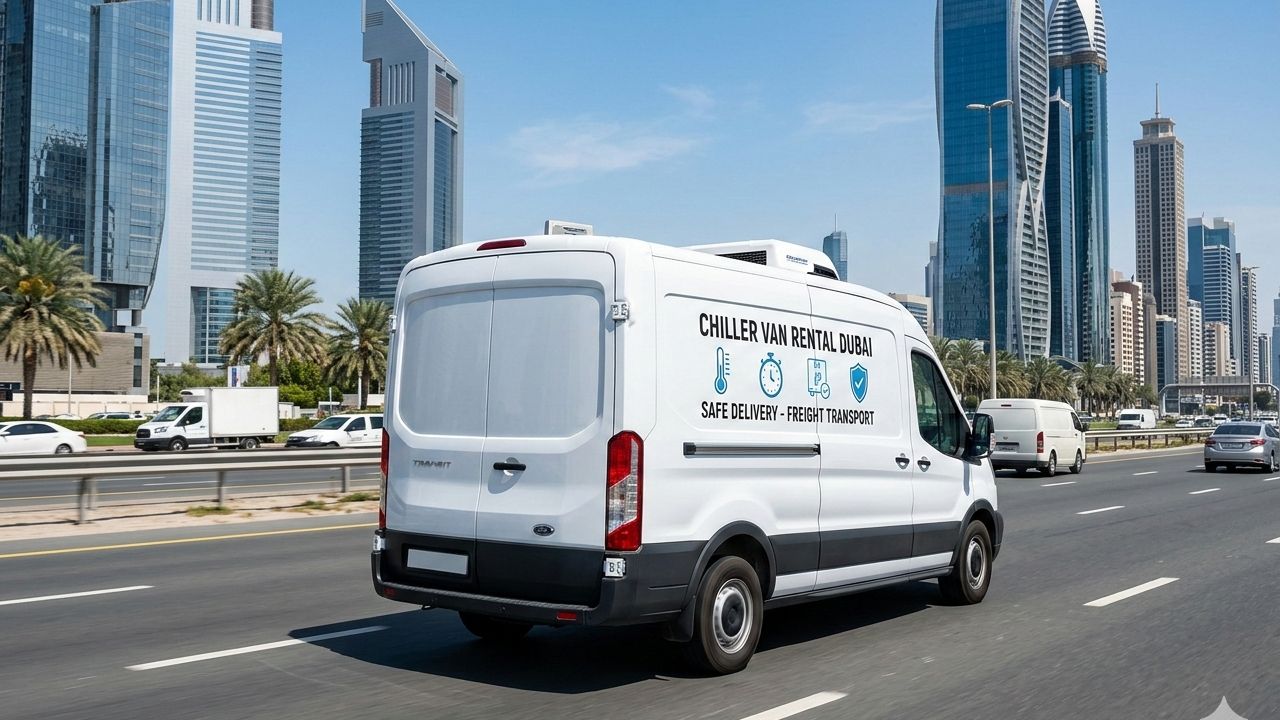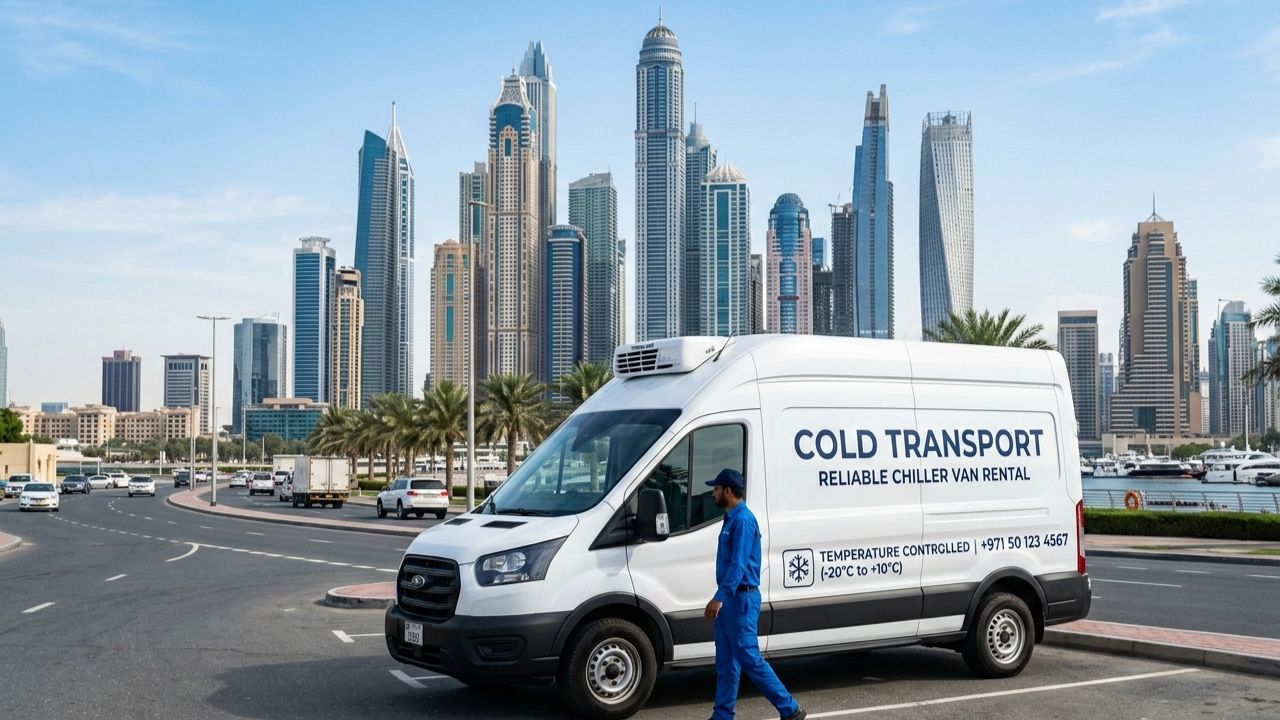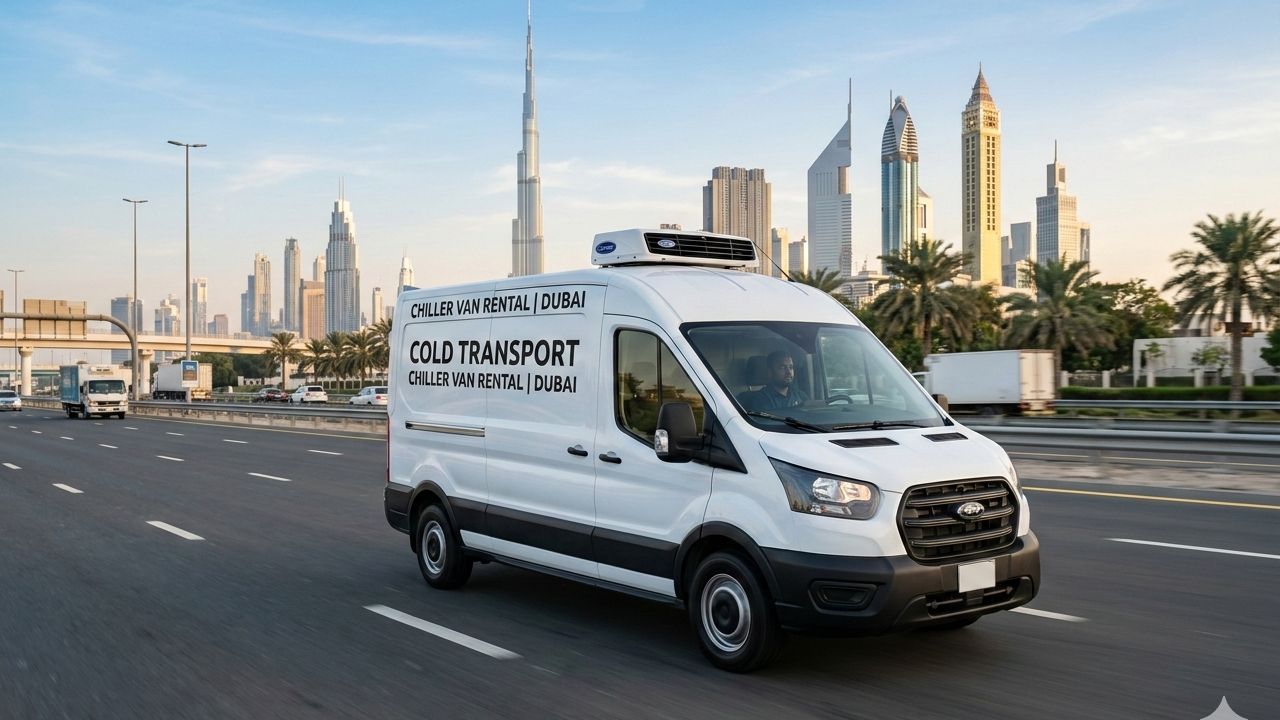
When it comes to transporting temperature‑sensitive goods, whether food, pharmaceuticals, or perishable cargo, reliability matters. In a fast‑paced commercial environment like the UAE, businesses need efficient cold‑chain logistics solutions that offer both flexibility and performance. That’s where the concept of chiller van rental near Dubai comes into play. Whether you are organizing a large event, managing regular deliveries, or scaling your cold storage operations, choosing the right rental service makes all the difference. This guide will help you navigate your options, understand key benefits, and make the right decision with confidence.
In this detailed article, we’ll cover everything from what a chiller van is, how to rent one, advantages of using one in the UAE, and common questions people ask before securing cold transport. We’ll also include practical guides, comparison tables, and expert tips to help you get the most value from your chiller van experience.
A chiller van is a refrigerated vehicle designed to transport goods that must be kept at controlled low temperatures. Unlike regular vans, chiller vans have built‑in cooling systems that maintain temperatures according to specific requirements. These vehicles are widely used for:
Fresh produce delivery
Frozen foods
Dairy and meat products
Pharmaceuticals and medical supplies
Flowers and delicate plants
In Dubai and the broader UAE, Chiller van rental services support restaurants, supermarkets, event planners, healthcare providers, and logistics professionals to meet strict temperature‑control standards.
Whether you’re a small business or a large enterprise, chiller van rental provides immediate access to reliable cold transport. Instead of investing in expensive refrigerated vehicles or maintaining your own fleet, you can rent based on demand.
For businesses with seasonal or fluctuating delivery volumes, renting a chiller van is more cost‑efficient than owning one. You avoid maintenance, depreciation, and storage costs.
Temperature‑controlled transport ensures goods remain fresh and safe throughout transit. This is essential in Dubai’s high temperatures, especially during summer months.
Many rental providers offer vans with adjustable temperature settings to meet specific product requirements, from chilled to deep‑freeze temperatures.
Chiller van services are essential for a wide range of industries:
Food and Beverage Companies transporting fresh produce or frozen items
Catering Services delivering food to events and corporate venues
Retailers and Supermarkets distributing perishable inventory
Healthcare Providers delivering temperature‑sensitive medical products
Floral Businesses keeping flowers fresh en route to customers
These sectors benefit from both daily rentals and long‑term rental arrangements, depending on their logistics needs.
Rent a chiller van in Dubai offers practical advantages that help businesses operate efficiently in competitive markets:
Rental services allow you to schedule transports based on demand, reducing downtime and maximizing delivery productivity.
Reputable rental providers often include customer support, maintenance, and driver services — helping you manage logistics without headaches.
Most chiller van operators follow strict temperature verification protocols and quality standards, ensuring compliance with food safety and medical guidelines.
From one‑time event needs to recurring weekly deliveries, a chiller van for rental in UAE adjusts to different business scenarios without long‑term commitments.
Finding a reliable chiller van rental requires careful evaluation of services, pricing, and provider reputation. Here’s a simple step‑by‑step guide to help you through the process:
Before contacting rental providers, define the temperature range your products need (e.g., 2°C – 8°C for chilled goods, –18°C for frozen goods).
Estimate cargo volume and weight to select a van size that fits your needs without overspending.
Look at different companies offering Chiller Van for Rent Dubai. Compare services based on vehicle condition, delivery speeds, and additional support options.
Some rental services offer:
Self‑drive options
Driver and delivery services
GPS tracking
Temperature logging and real‑time monitoring
Choose based on your logistical requirements.
Before finalizing, check rental duration, insurance coverage, terms for additional charges, and cancellation policies.
Once you’ve chosen a provider, confirm your booking in advance — especially during peak seasons or large events.
| Type of Chiller Van | Ideal Use Case | Temperature Range | Capacity |
|---|---|---|---|
| Standard Chiller Van | Daily chilled goods delivery | 2°C – 8°C | Up to 1,500 kg |
| Deep‑Freeze Van | Frozen foods transport | –18°C and below | Up to 1,000 kg |
| Large Refrigerated Truck | Bulk deliveries | 2°C – –25°C | Up to 3,000 kg |
This table helps businesses match their transport needs with the right vehicle type before securing a rental.
Owning a refrigerated vehicle offers control but brings its own challenges — high purchase costs, maintenance, insurance, and storage expenses. Renting eliminates many of these burdens and allows businesses to scale their logistics with demand.
| Feature | Chiller Van Rental | Chiller Van Ownership |
|---|---|---|
| Upfront Cost | Low | High |
| Maintenance | Included with many providers | Owner’s responsibility |
| Flexibility | High | Low |
| Ideal for Business Growth | Yes | Limited |
For most businesses, especially those still scaling or with variable delivery loads, rental is the more practical option.
To ensure efficiency and protect your products:
Pre‑cool the van before loading to maintain consistent temperatures.
Use proper packaging that supports thermal insulation.
Track deliveries with GPS and temperature logging tools.
Schedule pickups during cooler parts of the day when possible.
Confirm delivery windows to avoid delays.
These practices help maintain product quality and minimize loss during transit.
Even though chiller van rental is straightforward, some pitfalls can affect performance and cost:
Choosing the wrong temperature setting for your goods
Not clarifying delivery timing and routes
Ignoring provider reviews and references
Overlooking insurance coverage for goods
Booking at the last minute during peak demand
Avoid these mistakes by planning ahead and working with reputable operators.
For businesses managing temperature‑sensitive products in and around Dubai, choosing a chiller van rental near Dubai is a strategic move that improves operational efficiency, ensures product quality, and reduces cold chain logistics costs. Whether you’re transporting chilled goods, frozen cargo, or medical supplies, rental solutions provide flexibility and scalability without the overhead of ownership.
By understanding your needs, comparing reliable providers, and following best practices outlined in this guide, you can confidently secure a chilled transport solution that serves your business goals.
If you are looking for expert chiller van rental services with a proven track record, consider working with established logistics providers known for high‑quality refrigerated transport and customer support. This will help you maintain consistency, compliance, and delivery excellence every time.
A chiller van rental near Dubai is used for transporting goods that must stay at specific low temperatures — such as food products, pharmaceuticals, and perishable items — across Dubai and surrounding areas. The refrigerated system ensures product freshness throughout transit.
To rent a chiller van in Dubai, identify your cargo needs, choose a provider, compare service offerings, check vehicle specifications, and confirm rental terms. Many companies offer customizable rental packages tailored to specific temperature requirements and delivery routes.
Yes. Most providers offer flexible rental durations, including short‑term daily rentals, especially for one‑time events or deliveries.
Some rental services include professional drivers, while others offer self‑drive options. Make sure to ask about driver availability when booking.
Look for rental providers that comply with food safety regulations, offer temperature monitoring, and maintain clean, well‑inspected vehicles to protect product quality during transport.


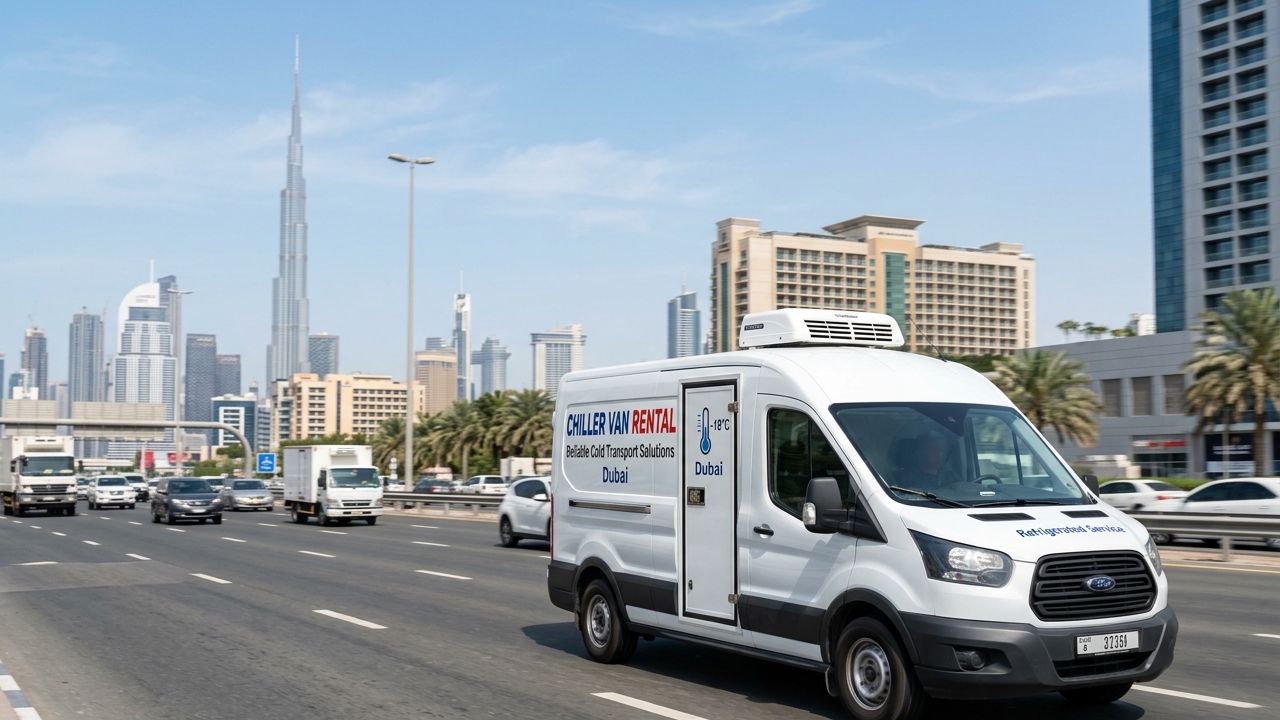
.jpg)
.jpg)